 Cast
CastA real deck. A real casting.
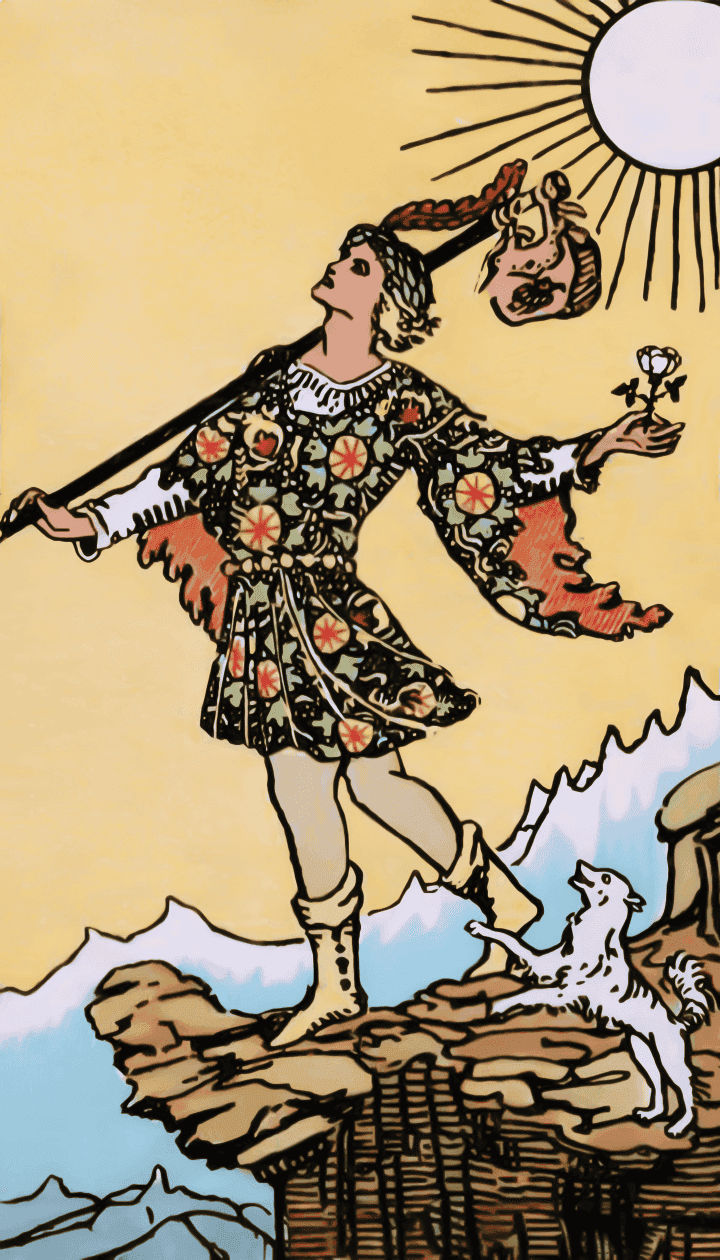
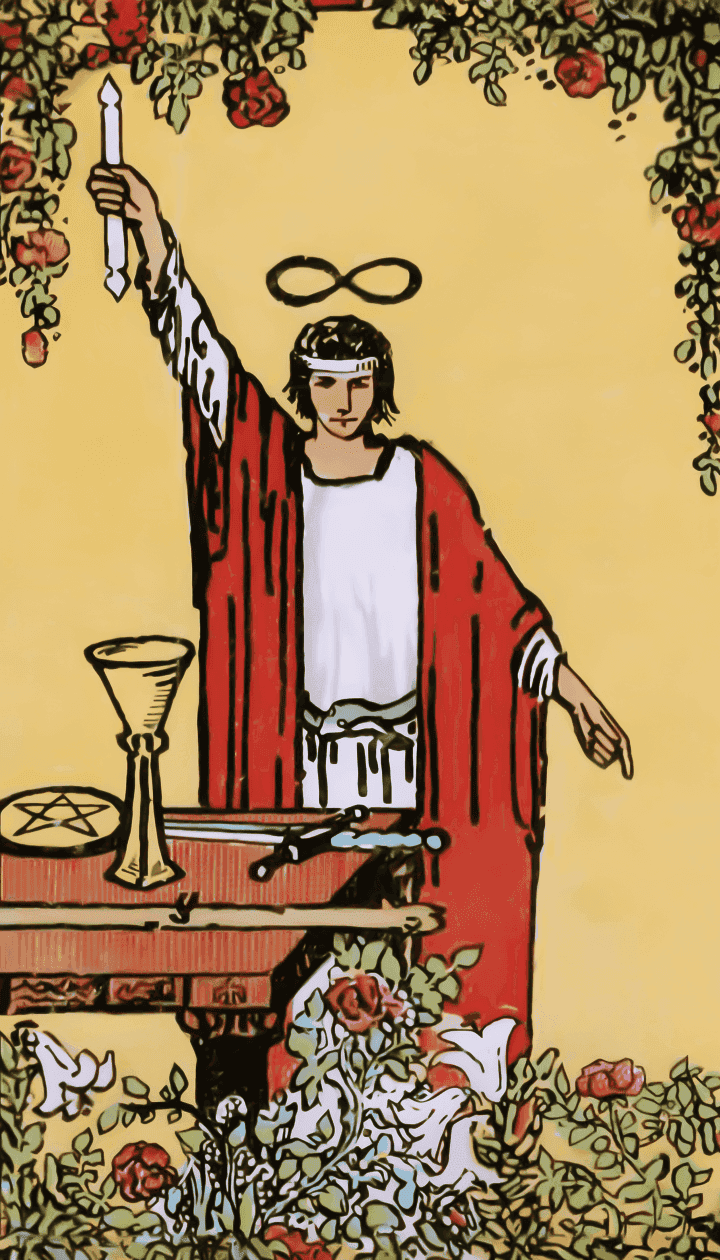
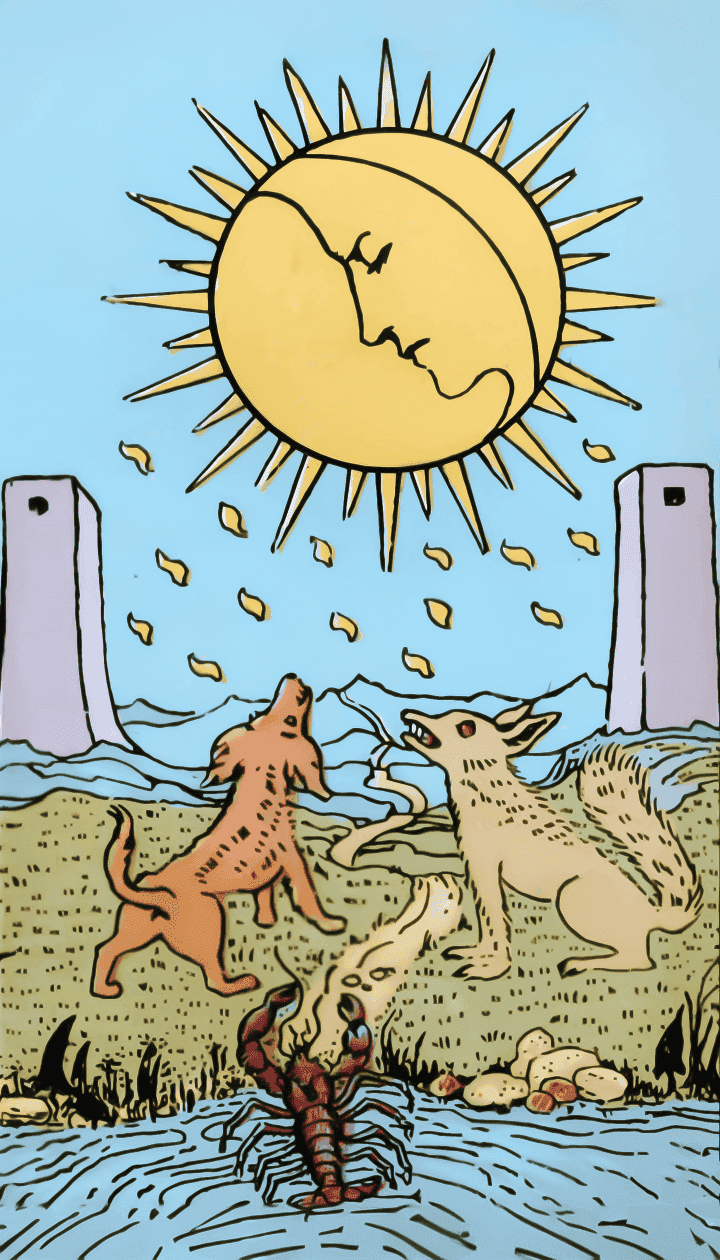
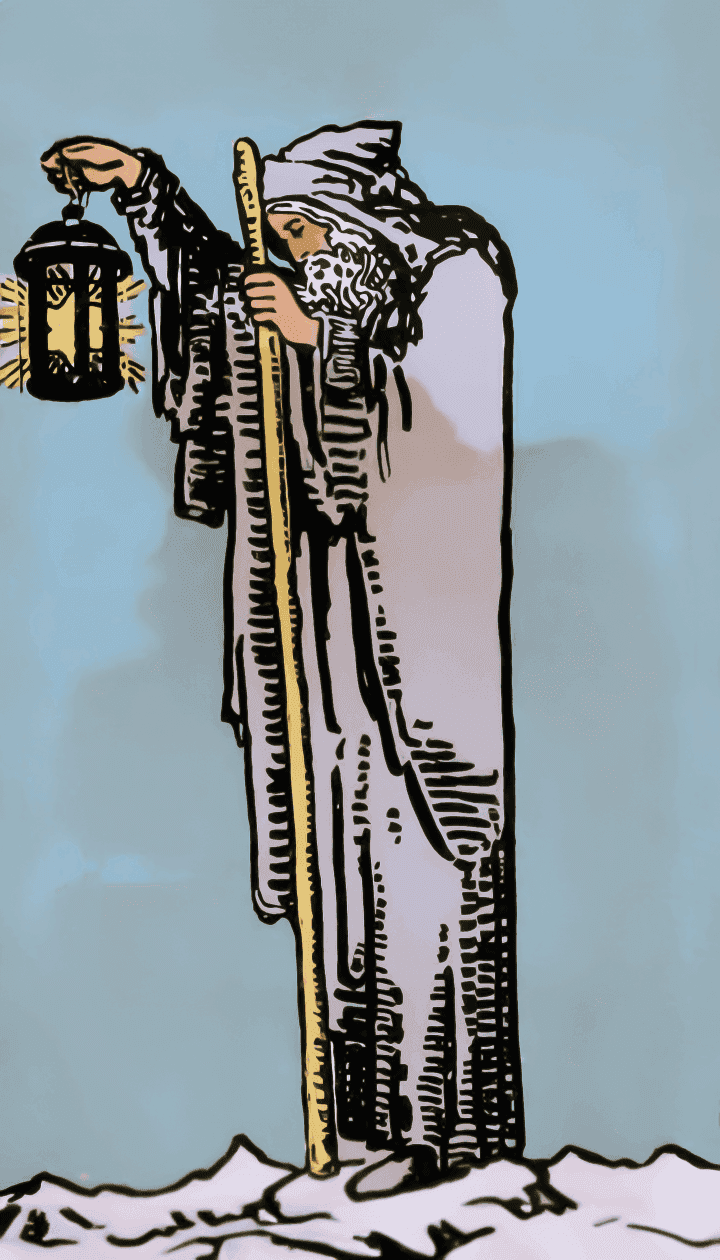
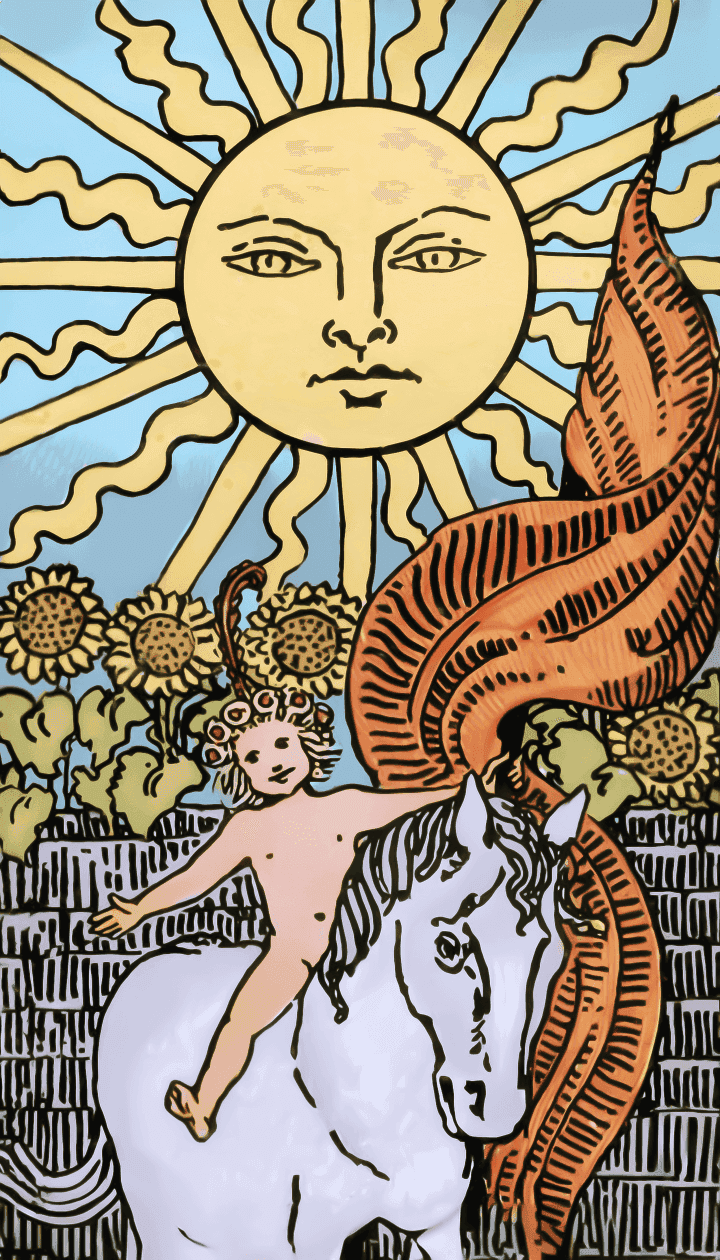
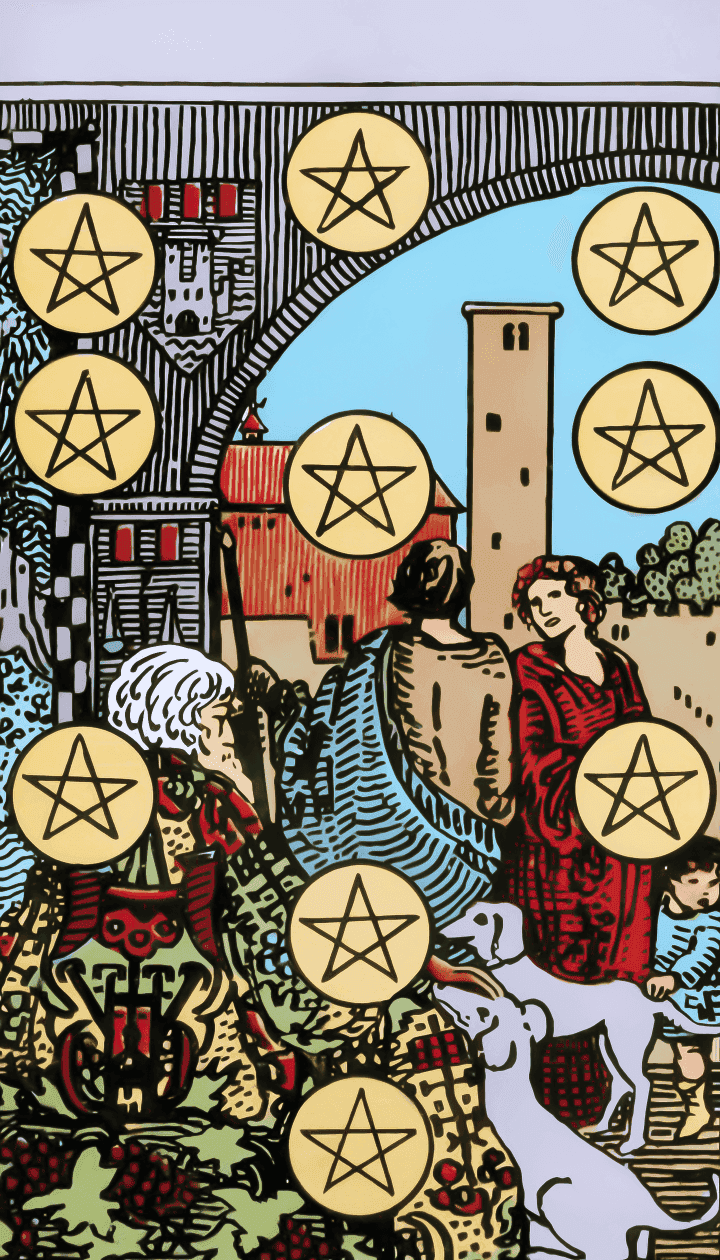
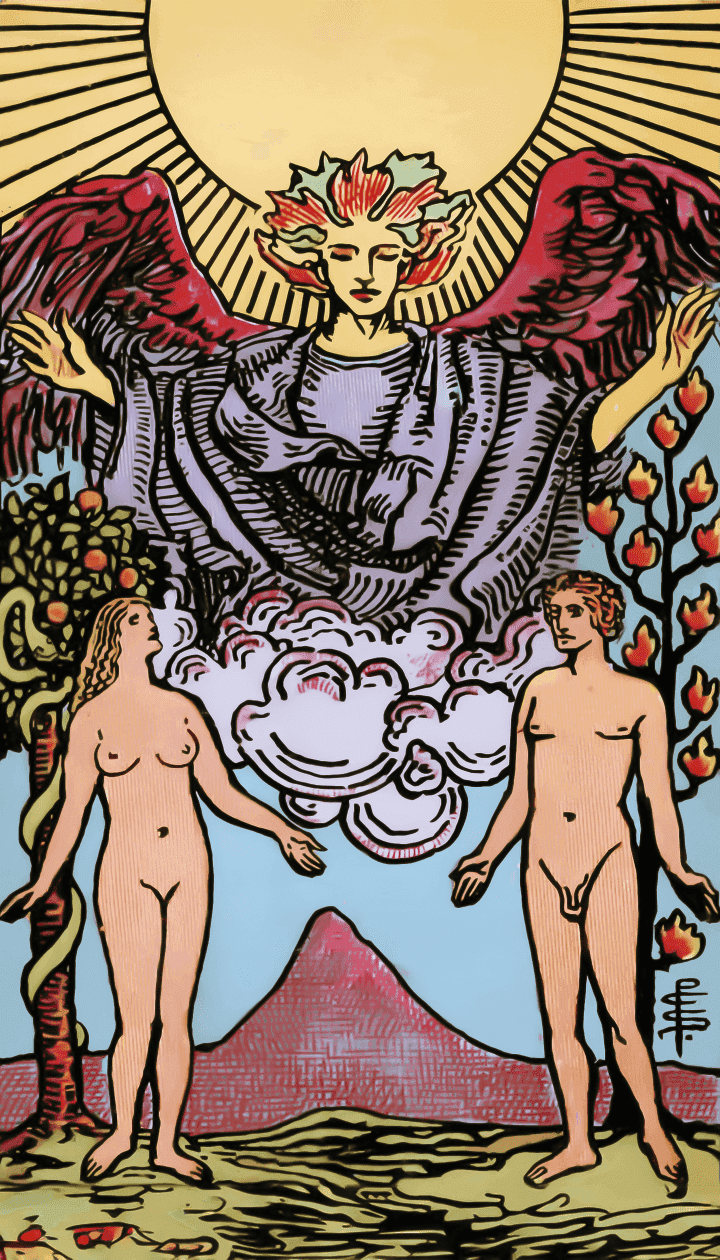
A true tarot deck in your iPhone — the 1909 Rider–Waite–Smith, or your own cards, photographed one by one. You shuffle, you cut, you draw; every casting is sealed and verifiable. Not a fortune-telling AI.
A refusal, first
Tarot apps feel wrong. You’re right.
When an app “pulls a card for you,” a server somewhere picks a number. The machine has quietly taken the one seat at the table that was never its to take — yours. A card drawn by a machine speaks to the machine’s fate, not yours. It mirrors the machine’s mind, not yours.
Cast is a tarot app unlike any you’ve used. The difference is realness — a real deck, a real shuffle and cut and draw. What Cast is not, in three sentences:
- I.The server never picks a card.
It shuffles when your hand shuffles; it freezes when you cut; the card you draw is the one your fingertip lands on.
- II.The randomness is never made up.
We draw it from the physical entropy of the real universe — quantum vacuum, atmospheric noise, even a wall of lava lamps.
- III.The art is never generated by AI.
Bring the deck you know best — Cast photographs it, card by card, into a digital deck of your own. Or simply use the included 1909 Rider–Waite–Smith.
The rite
Shuffle. Cut. Draw.
I
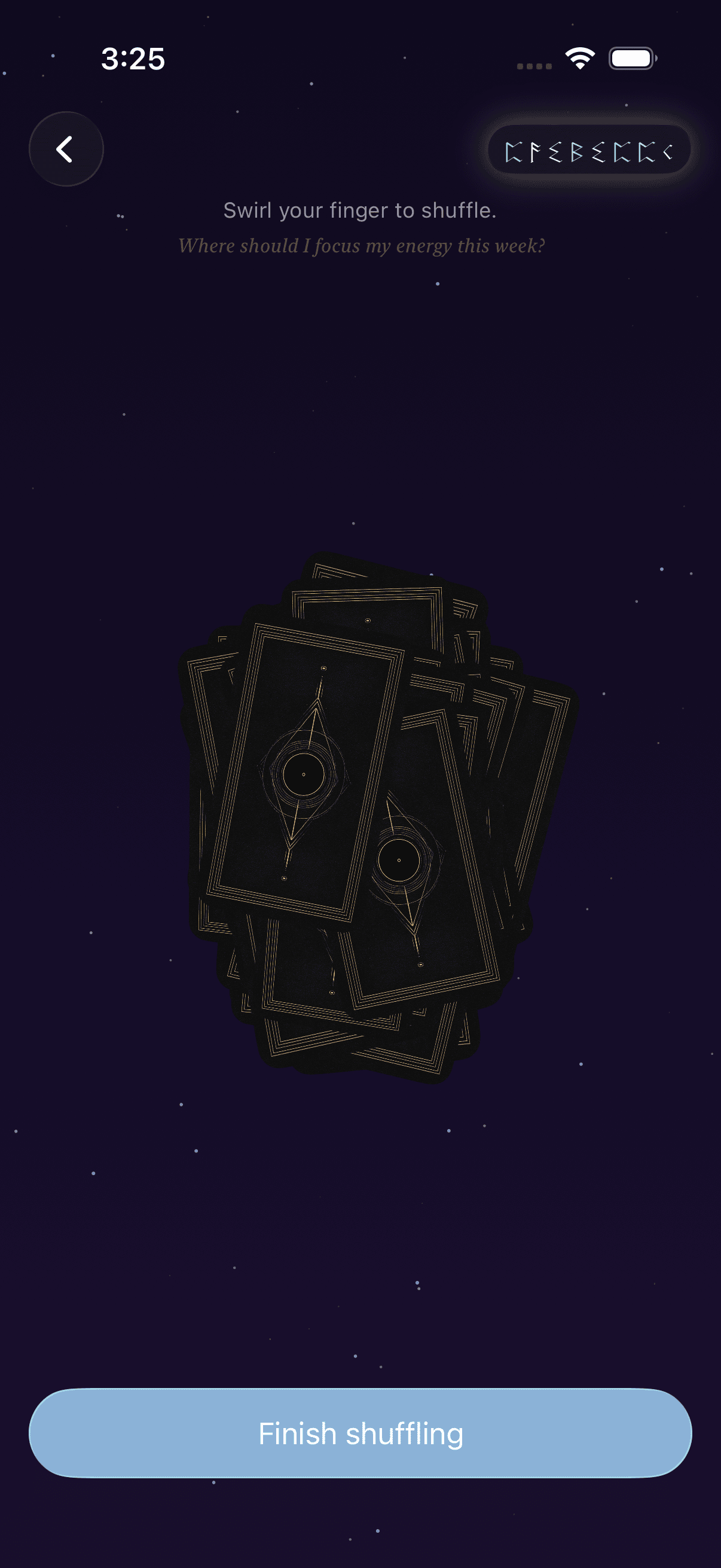
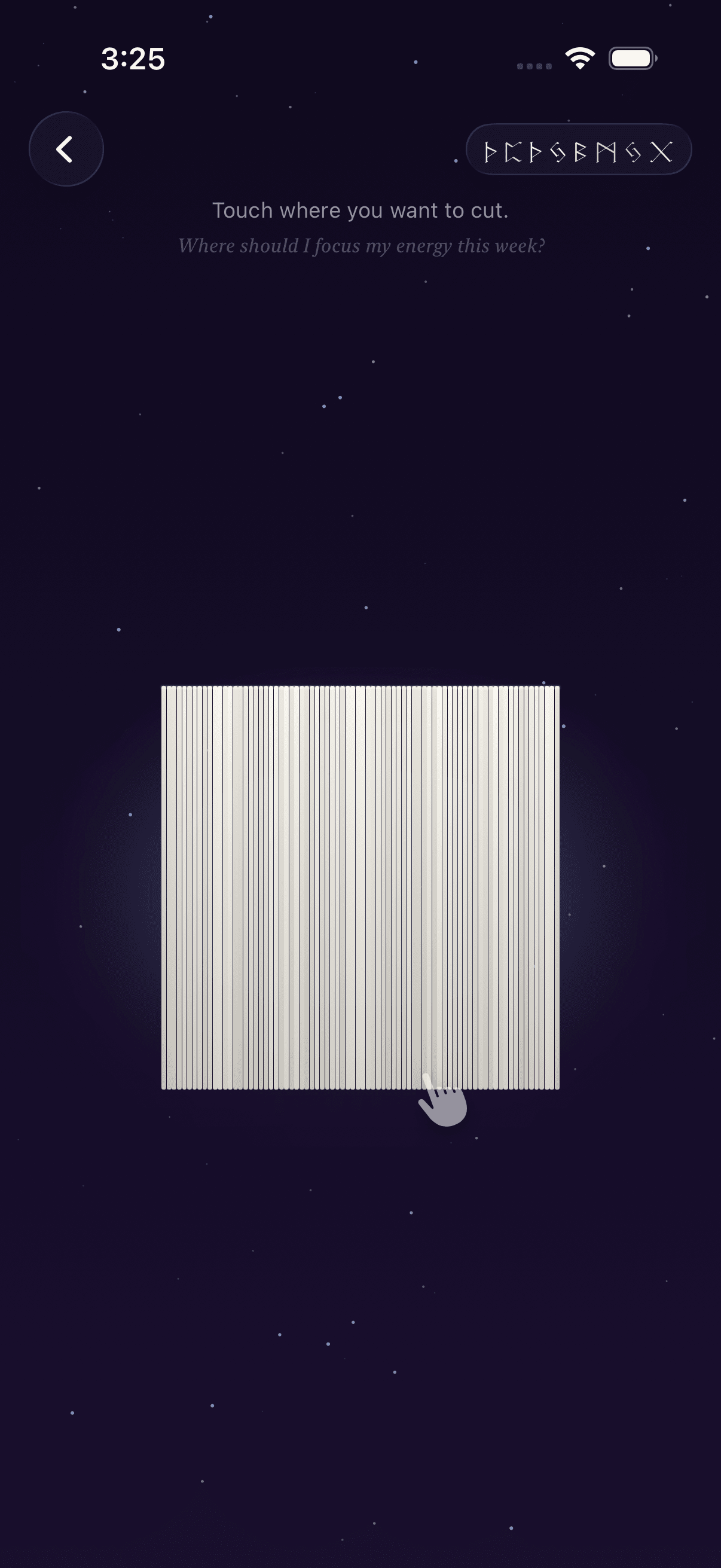
Shuffle with your own hand
Swirl the deck with your finger. Your gesture — position, speed, micro-timing — is folded into the entropy that orders the cards. Stop when it feels done: there is no right amount, and shuffling harder doesn’t make it “work better.”
II
Cut to seal
Cut the deck wherever feels right. At that instant the full arrangement — all 78 cards, order and orientation — is frozen and fingerprinted. Nothing can change it afterwards. Not even Cast.
III
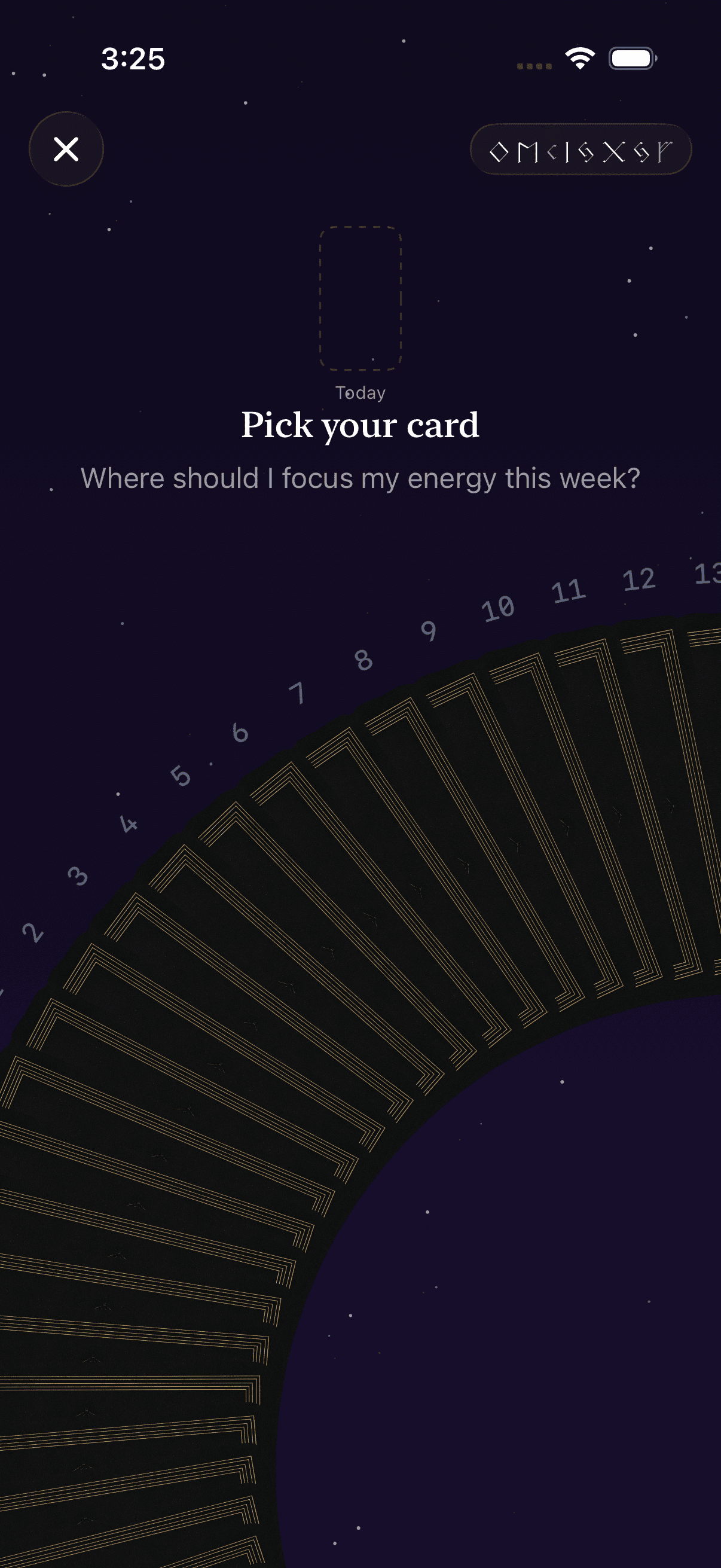
Draw from the wheel
Spin the great arc of card backs and take the one that pulls at you. You are choosing a position on a deck already sealed — exactly like reaching into a real fan of cards.
The seal
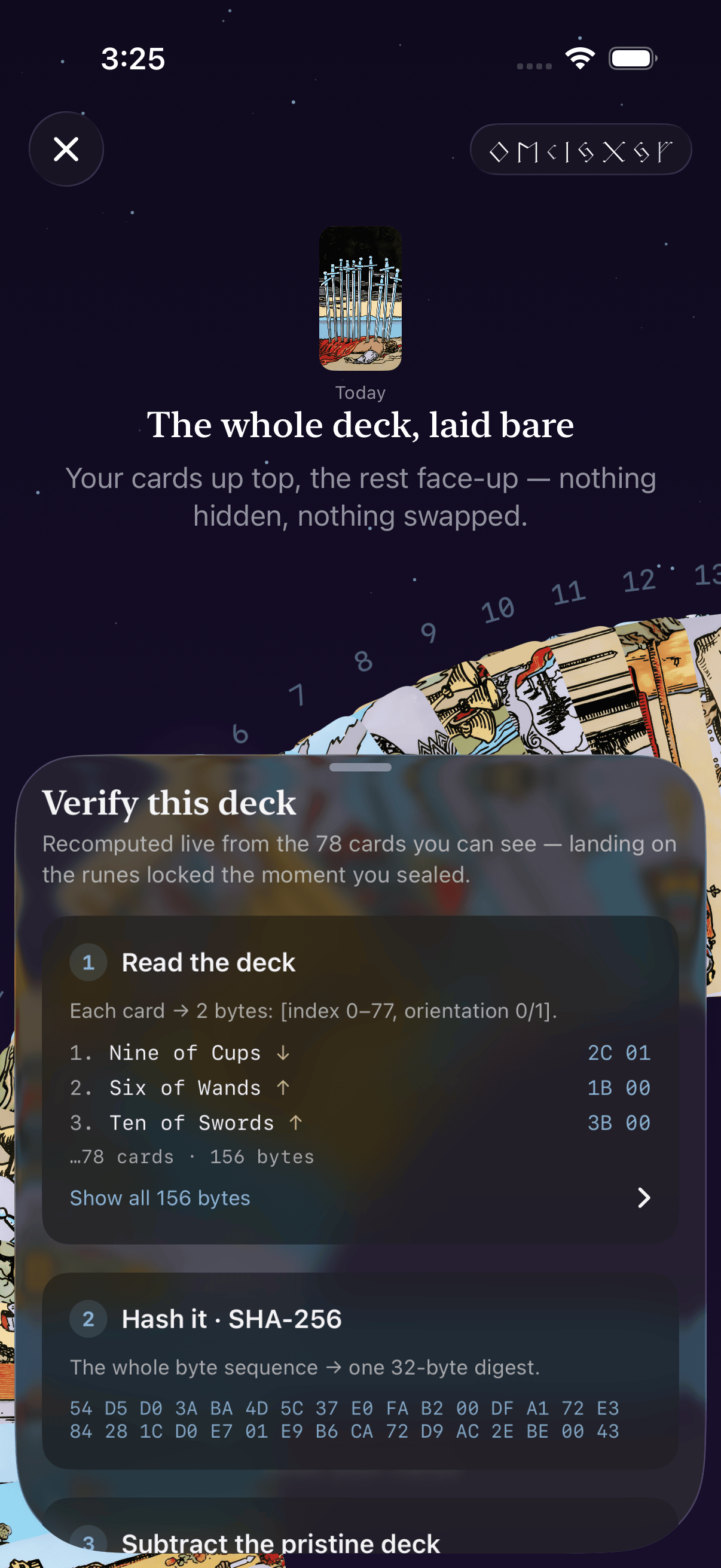
Sealed before you draw. Verify it after.
Every reading carries a cryptographic seal: a SHA-256 fingerprint of the entire deck, computed at the moment you cut. When the reading is over, flip all 78 cards face-up and Cast recomputes the fingerprint from exactly what you see. If even one card had been swapped after the cut, the seal would break.
It never has to be taken on faith.
Honest fine print: this proves your cards weren’t switched after the cut. Independently signed entropy — proof against even us — is on the roadmap.
The source
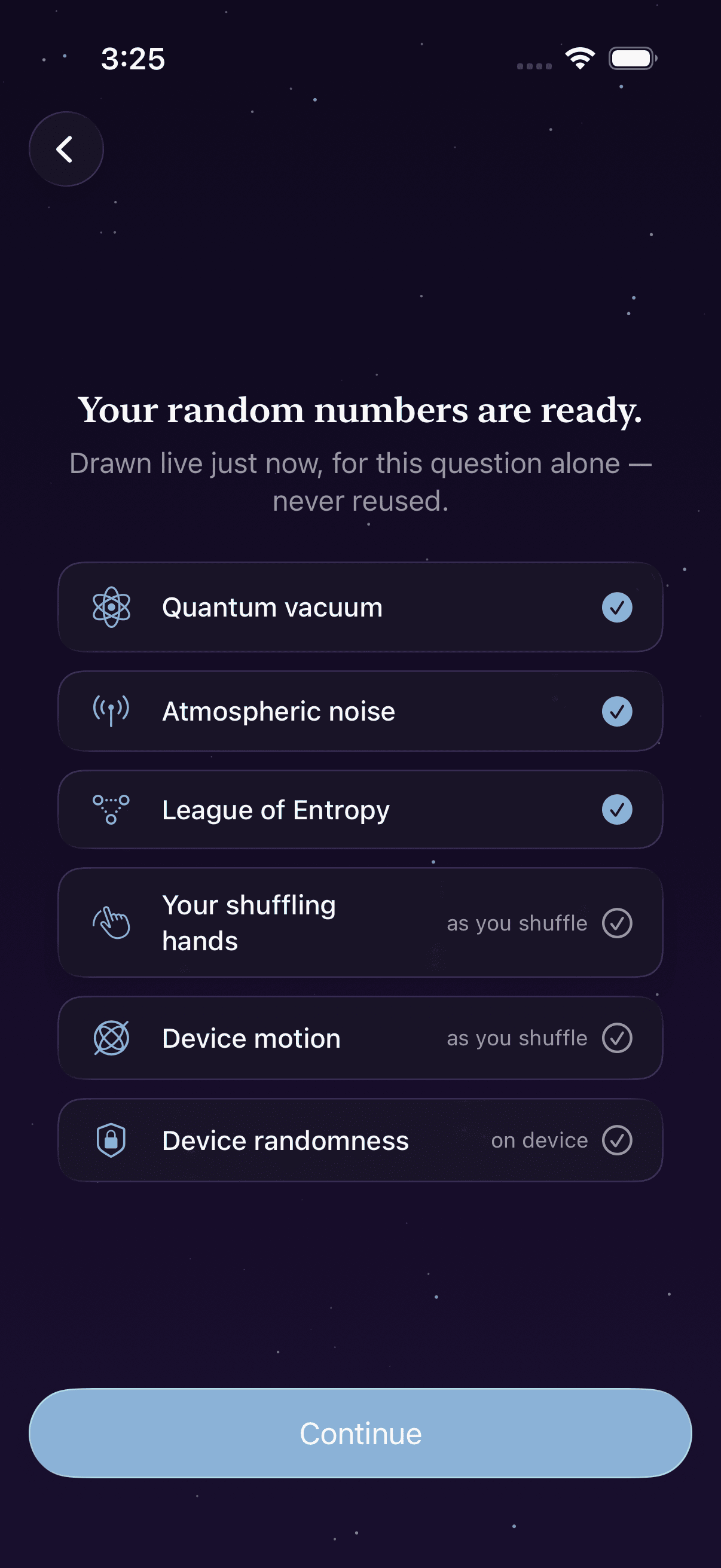
Choose where your chance comes from.
Every shuffle is seeded by your own hands and your device’s cryptographic randomness. If you wish, Cast will also reach further out — live, at the moment of your rite, never from a stockpile:
- Quantum vacuum
Fluctuations of empty space, measured live at the Australian National University.
- Atmospheric noise
The static of Earth’s weather, from random.org.
- League of Entropy
A public randomness beacon run by twenty-plus independent organizations — including Cloudflare’s famous wall of lava lamps.
The deck
Bring your own tarot.
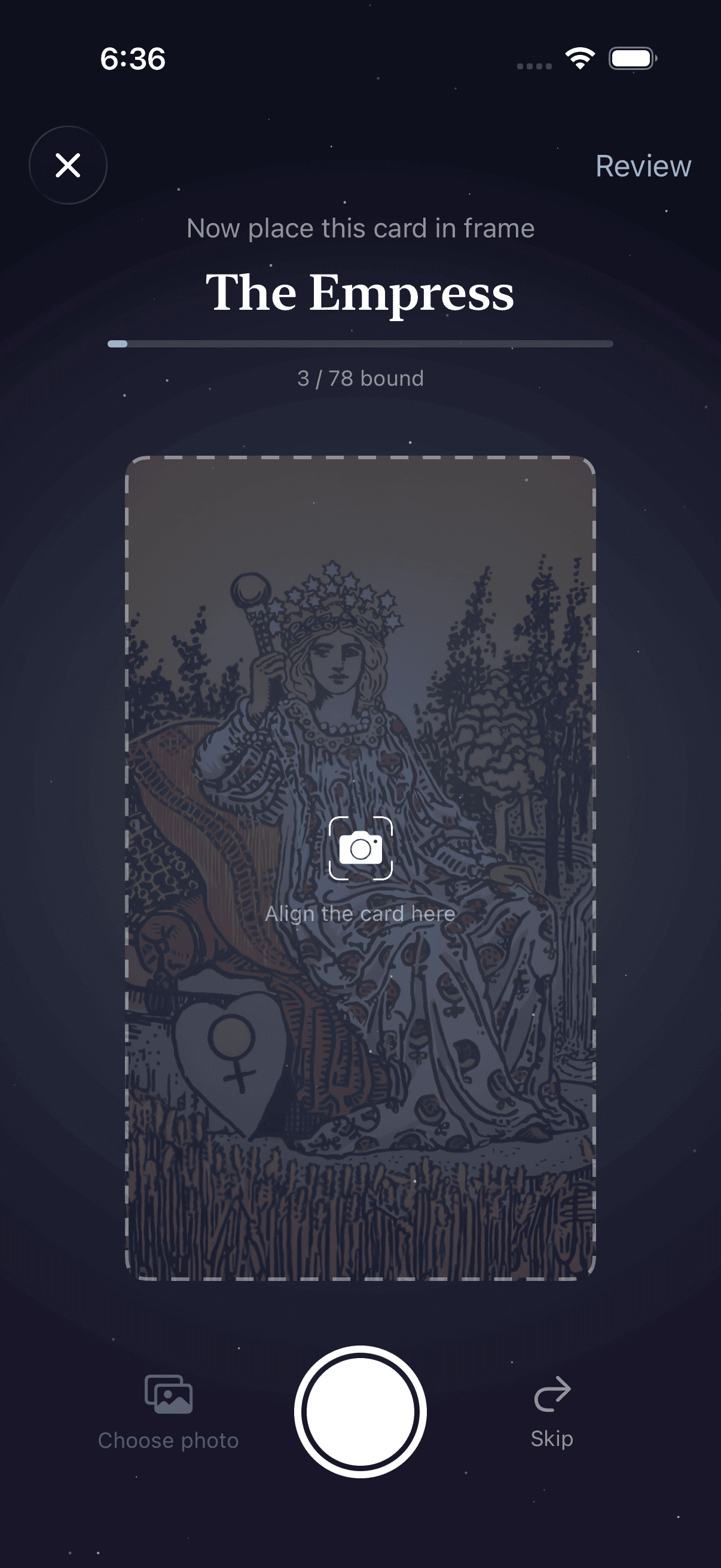
The deck you’ve shuffled soft, sat with, read by — bring it with you. Binding is easier than you’d think: Cast tells you which card to lay down, fires the shutter when the frame is steady, straightens the perspective, and keeps the color true. A table, decent light, and a quiet quarter hour.
Pause whenever — your draft waits, and any card can be retaken later. When the last card lands, your deck has a digital body: fan it, study it, cast with it. The bond you’ve built comes with it.
Nothing is ever repainted or “enhanced” — your cards stay your cards. No deck of your own yet? Pamela Colman Smith’s original 1909 Rider–Waite–Smith is included from day one. Her lines, not a prompt’s.
There is no AI.
Card meanings come from the classical tradition, quoted as reference — authority stays with the books, not a bot. Nothing in Cast predicts your future, pronounces a verdict, or generates a card. The reading is a conversation between you, the deck, and the tradition. We just set the table.
Your questions never leave your hands.
Readings, questions, and notes live on your device, and the whole rite works offline. Sync, if you want it, goes to your own private iCloud — encrypted under your account, unreadable by us. We run no accounts, show no ads, and sell nothing about you.
Read the full privacy policy →Fair questions
Asked, and answered straight.
Isn’t a digital deck… sacrilegious?
If a machine were doing the divining, we’d agree. But in Cast the machine never divines: you shuffle, you cut, you draw, you read. A deck — cardboard or silicon — is a tool; the practice is yours. And this deck has one property paper can’t offer: no one else’s hands will ever touch it.
Does quantum randomness make readings more accurate?
No — and we won’t pretend otherwise. Quantum, atmospheric, and local randomness are all honestly random and statistically indistinguishable in your reading. Choosing a source changes the story of your shuffle, not its power.
What if I want an AI to read my cards for me?
Then Cast is the wrong table — on purpose. When a machine pronounces, it takes your seat, and that is the one thing this app refuses to allow. But the wish is fair, and we won’t leave you stranded: our sister app Quin is exactly that — an AI reader you can actually talk to. Cast is for when you want the cards in your own hands.
How are reversals decided?
During the shuffle, like everything else. Your shuffling folds entropy into both the order of the cards and their orientation; the cut freezes both into the sealed fingerprint. By the time you draw, whether a card sits upright or reversed has long been settled — flipping it only reveals what the seal already holds.
Can I draw again on the same question?
Cast will gently show you that you’ve already drawn on this question — and then the choice is yours. We won’t lock you out; we also won’t pretend a fifth redraw means anything. One question, one casting is the practice Cast is built around.
Can I bind a non-tarot deck — an oracle deck, say?
Not yet. Binding currently supports standard 78-card tarot decks in the Rider–Waite–Smith structure, because the seal, the meanings, and the wheel are all built on those 78 positions. Other structures are on our minds — tell us about yours at feature@castcards.app.
Does it work offline?
Fully. Your device’s cryptographic randomness seeds every shuffle and can’t be turned off, so a reading by your own hand is always complete and always secure. Remote sources are an optional flourish, fetched live when you’ve chosen them — with an honest fallback when the void is out of reach.
Is Cast completely free?
Honestly: we haven’t decided yet. Making Cast costs money, so one day some part of it may carry a price. Whatever we land on, you’ll read it here first, in plain words — no dark patterns, no paywall dropping mid-reading.
Why is it called Cast?
Casting is the old word for letting chance speak — casting lots, casting runes, casting a circle. In the app, it’s the moment the deck flies open into a great arc for you to draw from. That gesture is the whole product: you cast; the cosmos answers.
The table is set.
You draw. The cosmos chooses. You read it yourself.